A calmer starting point for parents and mixed-age households deciding how to think about helmet fit, rider maturity, route choice, and the safety gear that matters first.
Last checkedApril 20, 2026
Family answer
Start hereStart with helmet fit, rider maturity, route choice, and the actual bike class.
The best family e-bike plan starts smaller than most product pages suggest. First confirm the bike class, then make sure the rider is ready for the route, the helmet fits correctly, and the trip is simple enough to build confidence instead of pressure. That usually matters more than chasing speed or premium features.
Keep helmet fit and route choice attached to the specific rider, not as an afterthought.
If a younger rider is involved, check the state page for age, class, and helmet rules before treating the ride as routine.
Lights, visibility, and carrying stability matter early for family and school-run riding.
A calmer route usually improves safety more than a faster bike.
Family and utility guides should feel grounded in the way people actually ride every day.
What this guide covers
Helmet fit first
A helmet only helps when it sits level, stays secure, and is worn every time the route calls for it. For family riding, the fit conversation is usually more valuable than the style conversation.
Check that the helmet stays stable without tipping back or sliding forward.
Recheck the fit as kids grow or when a rider switches hairstyles, layers, or seasonal gear.
Replace helmets after serious impacts or when the fit never feels right.
Match the rider to the route
A quiet neighborhood ride, school route, beach path, and mixed-use trail do not ask the same thing from a younger or newer rider. Start with the simplest route that still accomplishes the goal.
Build the first safety basket
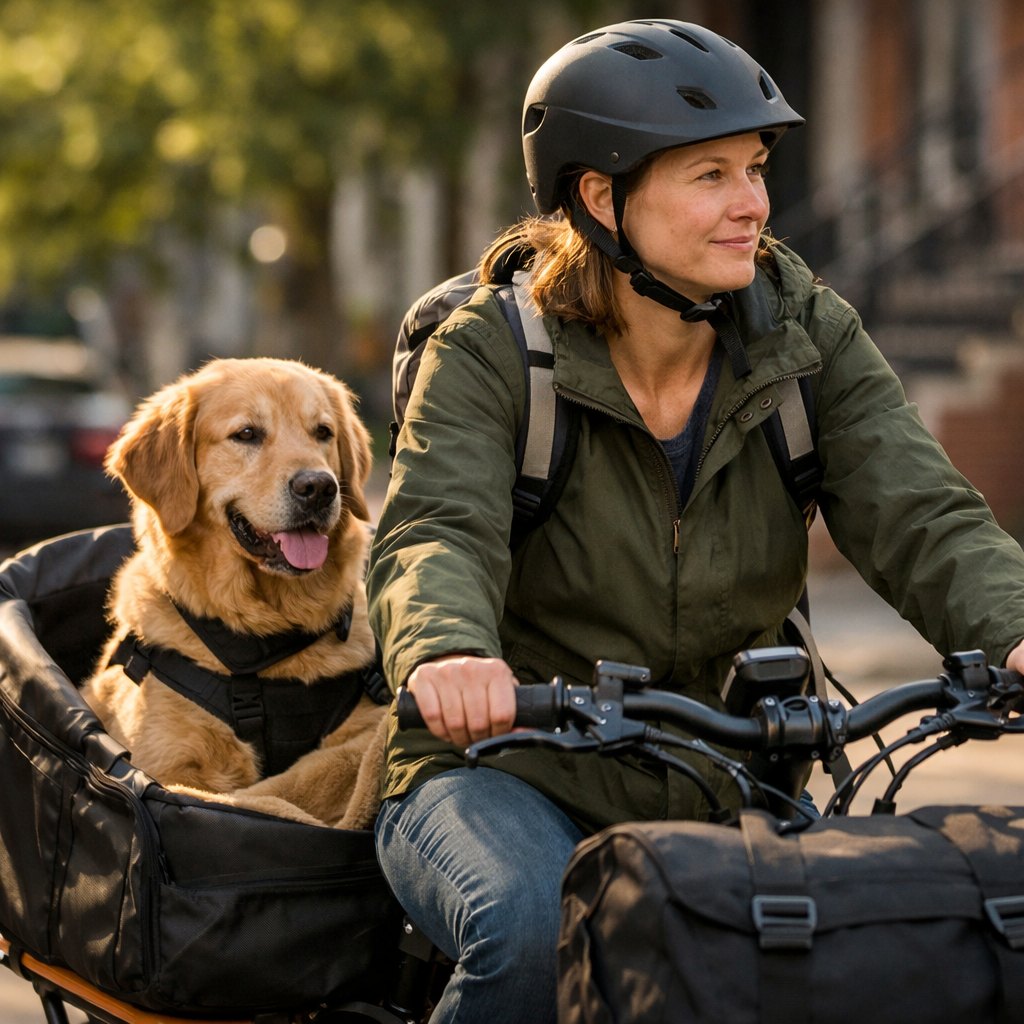
The practical early safety stack is usually helmet, front and rear lights, a serious lock, and the carrying setup that keeps backpacks, groceries, or kid gear from shifting around mid-ride.
Keep the law page nearby
Family riding questions become much easier when the state page is open beside the gear and route decision. That is where age, helmet, and local-access details are easiest to confirm before the ride.
Related state pages
Open the exact state pages behind this guide
These state pages carry the official sources and local caveats the guide points readers toward.
FL
Last checkedApril 18, 2026
Florida e-bike laws
Florida generally treats an e-bike and its rider like a bicycle and bicycle rider. That means no state registration or driver-license burden for a standard e-bike, but it does not mean every sidewalk, beach, or path is automatically open.
Class framework
Florida requires a permanent e-bike label showing class, top assisted speed, and motor wattage.
Trail access
Cities, counties, and state agencies may restrict or prohibit e-bikes on bicycle paths, multiuse paths, trail networks, beaches, and dunes.
If the bike really fits Vehicle Code 312.5, California recognizes it as a class 1, 2, or 3 e-bike. But local trail agencies, State Parks, and city rules can still narrow where it can ride, and machines pushed beyond the legal definition can fall into moped, motorcycle, or off-highway rules instead.
Class framework
Vehicle Code 312.5 sets a 750-watt ceiling and defines class 1, 2, and 3. Class 3 is pedal-assist up to 28 mph and must have a speedometer.
Trail access
Local agencies and State Parks may prohibit e-bikes or specific classes on trails under Vehicle Code 21207.5.
North Carolina defines an electric assisted bicycle as a bicycle with operable pedals, up to 750 watts, and no more than 20 mph on motor power alone. The state treats it differently from motor vehicles, but trail, sidewalk, and local access questions still need local checking.
Class framework
North Carolina defines an electric assisted bicycle as up to 750 watts and no more than 20 mph on motor power alone.
Trail access
Statewide code treats electric assisted bicycles like bicycles on highways, but trail and greenway access still depends on local or land-manager rules.
Ohio generally applies bicycle rules to electric bicycles on highways and bike paths, lets class 1 and 2 use shared-use paths unless a local authority or state agency says no, restricts class 3 path access more heavily, and allows sidewalk riding only if the motor is not engaged.
Class framework
Ohio defines class 1, 2, and 3 electric bicycles in the Revised Code and requires a permanent label showing class, top assisted speed, and motor wattage.
Trail access
Class 1 and 2 may use bicycle-only and shared-use paths unless a local authority or state agency prohibits them. Class 3 needs highway adjacency or specific authorization, and natural-surface or historically nonmotorized trails need specific authorization for any class.